
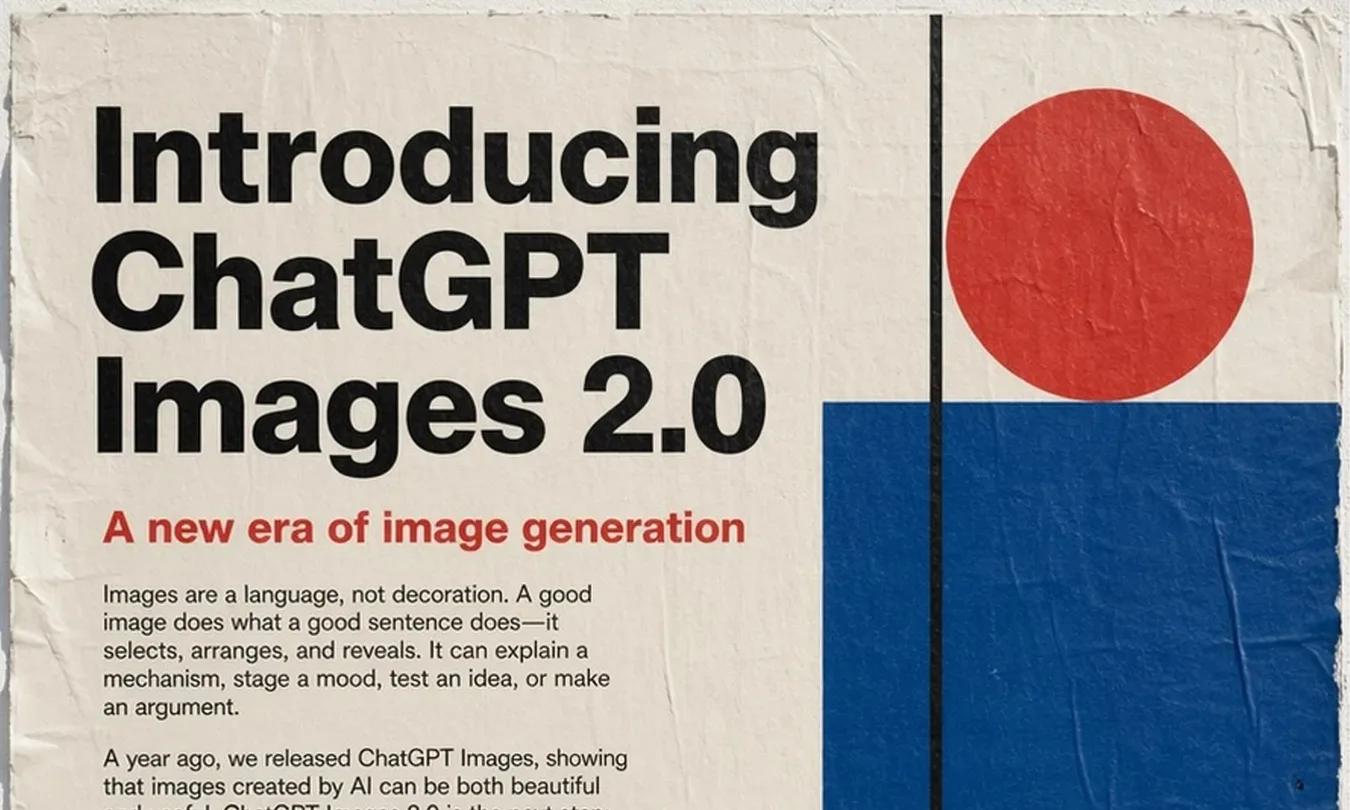
GPT Image 2 Review: Text Rendering, API Access, and the Best Alternatives
OpenAI launched GPT Image 2 on April 21, 2026 as part of ChatGPT Images 2.0. One capability stood out in the official launch, developer docs, and early media coverage: it renders text inside images far more reliably than previous general-purpose models. Poster headlines, packaging labels, menus, and multilingual copy finally work well enough to matter.
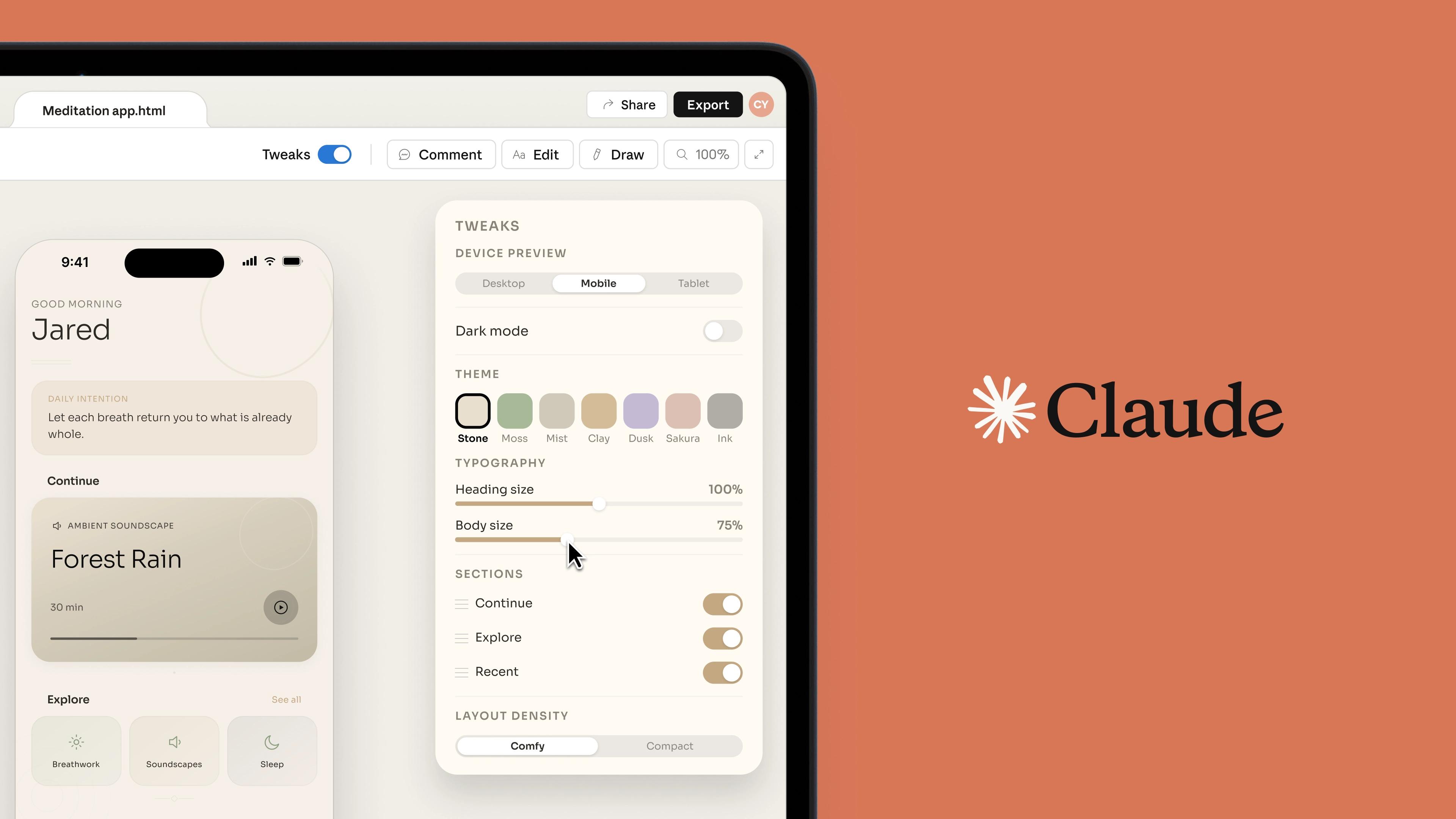
Claude Design: What It Is, How to Use It, and the Best Alternatives
Anthropic just dropped its most ambitious product yet. On April 17, 2026, the company behind Claude launched Claude Design — an AI-powered visual design tool that lets anyone go from a text prompt to polished prototypes, slide decks, and marketing materials in minutes. Figma's stock fell 7% the same day.

Google Gemini 3.5: Release Date Rumors, Benchmarks, and Design Workflows
Google has not officially announced Gemini 3.5, but prediction markets and community forums are already buzzing with rumors. We explore the unverified speed benchmarks and what this potential model update means for visual design workflows.
Snappa vs Veeso AI: Which Tool Fits Your Design Workflow?
Snappa and Veeso AI both help non-designers create graphics in a browser without professional skills, but they solve different bottlenecks. This comparison breaks down where each tool fits based on how you start a design and what you need to produce.
Kapwing vs Veeso: Which AI Content Tool Fits Your Team's Output?
Kapwing and Veeso both help non-technical teams create content from text inputs, but they are built for different media types. This comparison covers primary output format, AI workflow, localization, collaboration, and export options so you can choose based on what your team actually produces.
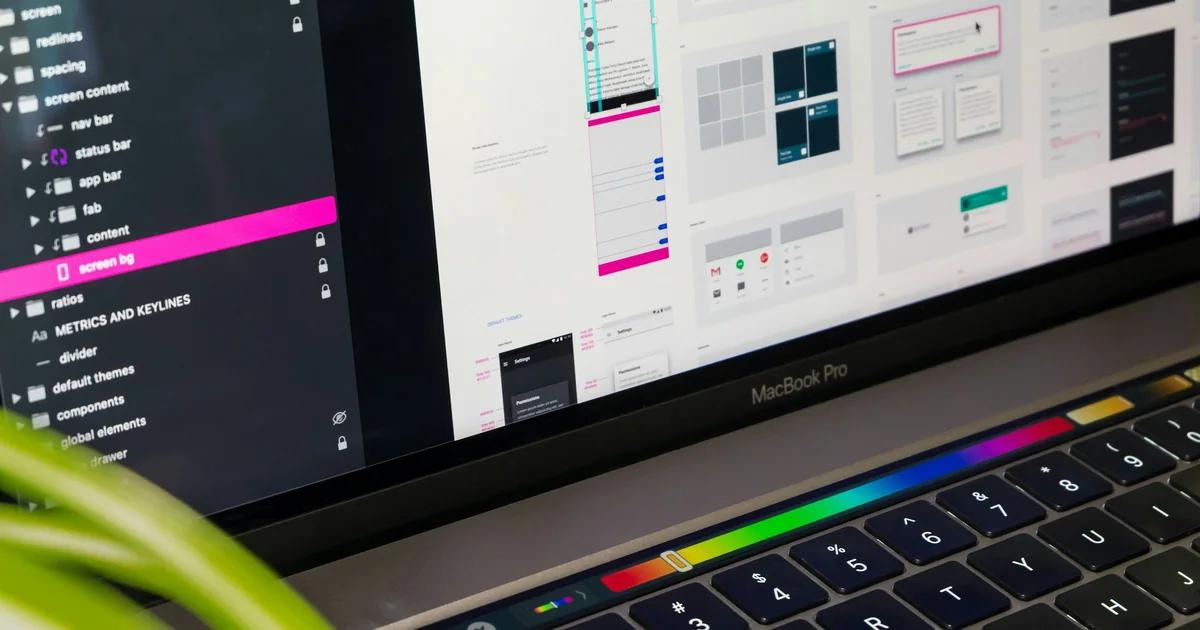
Pixlr vs Veeso AI: Which Browser-Based Creative Tool Fits Your Workflow?
Pixlr and Veeso AI are both browser-based creative tools that require no software installation, but they solve different problems. Veeso converts text and copy into multi-format design files automatically. Pixlr edits, retouches, and generatively manipulates existing photos, and adds video and audio generation to the mix. This comparison breaks down which tool fits which workflow.
Microsoft Designer vs Veeso AI: Which Tool Fits Your Design Workflow?
Microsoft Designer and Veeso AI both help non-designers create visuals from text, but they solve different problems. This comparison breaks down where each tool excels so you can choose based on your real workflow, not feature lists.
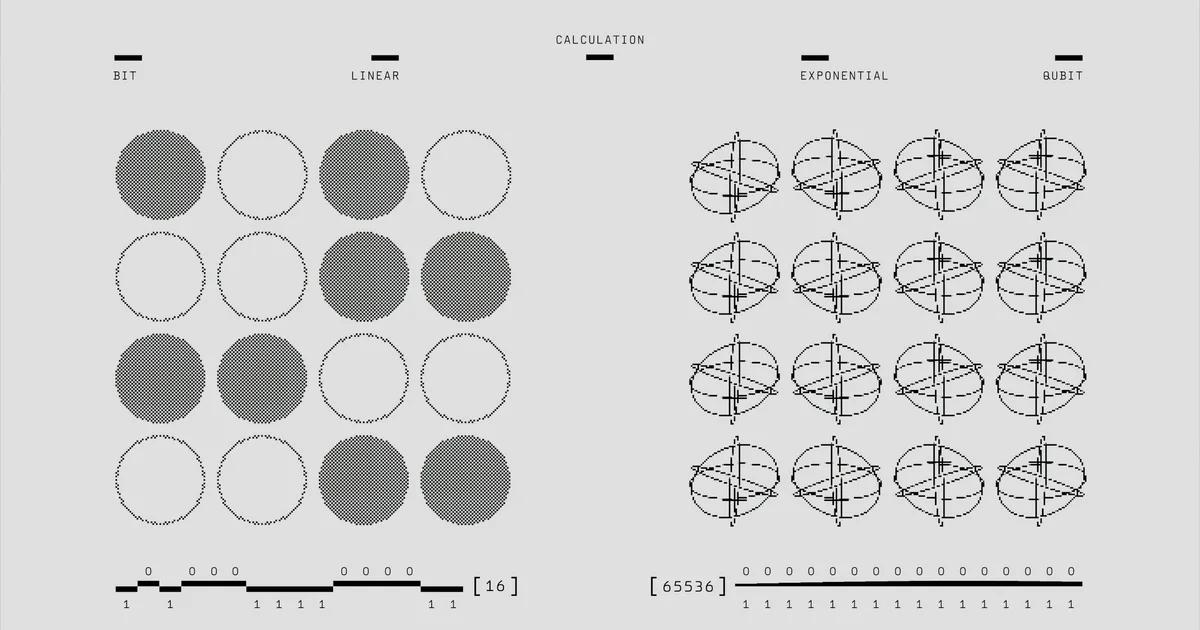
Kittl vs Veeso AI: Which Design Tool Fits Your Workflow?
Kittl and Veeso AI solve different problems. Kittl centres on vector control, typography effects, and merchandise mockups. Veeso AI centres on turning raw copy into multi-format layouts fast. Neither is the universal answer — the right choice depends on where your work starts and what it needs to produce.

PicMonkey vs Veeso AI: Which Design Tool Fits Your Workflow?
PicMonkey and Veeso AI both help small businesses and creators produce social graphics, marketing materials, and branded content — but they approach the job from opposite ends. This comparison breaks down the key differences so you can choose the tool that fits your real workflow.
FAQ
Spotlight is where we publish timely commentary on AI product launches, viral nicknames, model comparisons, and practical “how to try it” notes—written for marketing and design teams who need context fast.
The Blog focuses on durable tutorials and design education. Spotlight is intentionally news-driven: shorter shelf life, faster updates, and more emphasis on what changed this week in the AI stack.
Whenever there is a meaningful wave worth unpacking—new models, policy shifts, or workflows that affect how teams ship visuals. Frequency will vary with the news cycle.
Yes. Reach out via our contact page or social channels with the tools or launches you want covered. We prioritize pieces that help teams make safer, faster design decisions.
No. Posts are editorial and educational. Always read each provider’s current Terms of Service, content policies, and regional regulations before production use—especially for ads or client deliverables.
Sometimes. AI products change weekly; when a post becomes misleading we either update it, add an editor’s note, or publish a follow-up. Check the “Last updated” line on each article.
Yes. Use the share buttons on the article, or copy the link. If you quote us publicly, a link back to the original post is appreciated.
We publish in English first. If you need localized summaries for your team, machine translation is fine for internal review—just verify critical claims against primary sources.
Use Spotlight for context on new models, then bring approved directions into Veeso to turn copy into on-brand layouts, carousels, and export-ready assets.
Pick one workflow—e.g. social ads or slide decks—and read a comparison that matches your stack. Then try a small pilot with documented prompts and brand rules before scaling.